
Daytime Energy Slumps: What Your Body Is Trying to Tell You

5 min read | April 12, 2023
- Wellness
The most common causes of low energy during the day include poor sleep quality, skipped or unbalanced meals, dehydration, and prolonged stress. These daily habits often work together, which may leave you feeling sluggish when you need to focus the most. The good news? Many of these energy dips are manageable once you understand what your body is signaling.
For many Filipinos juggling long commutes, busy work schedules and family responsibilities, that mid-day slump can feel like an unwelcome daily visitor. If you often find yourself asking, "why am I tired during the day?"—you're not alone. Let's explore what might be behind those energy dips and how you can respond.
Why Do I Feel Sleepy During the Day?
Feeling sleepy during the day is usually your body's way of signaling that it may need better rest, fuel or hydration. It's a signal, not a flaw and paying attention to it can help you make small changes that may improve how you feel.
Several everyday factors can contribute to daytime fatigue:
- Poor sleep quality: Even if you get enough hours, restless or interrupted sleep can leave you tired the next day [1].
- Skipping meals: Missing breakfast or lunch may cause your blood sugar to dip, which can reduce your energy [2].
- Dehydration: Not drinking enough water throughout the day may lead to tiredness and difficulty concentrating [3].
- Too much sitting: A sedentary routine may actually make you feel more sluggish, not more rested [4].
What Causes the Afternoon Energy Crash?
The afternoon energy crash is a natural dip in alertness that often happens between 1 p.m. and 3 p.m., linked to your body's internal clock and post-lunch digestion. It's one of the most familiar causes of low energy during the day for working Filipinos.
Your circadian rhythm—the body's natural 24-hour cycle—can trigger a small drop in alertness in the early afternoon [5]. This dip may feel stronger if you've eaten a heavy, carbohydrate-rich lunch, like a big serving of rice with fried ulam, which many Filipinos enjoy. Large meals redirect energy toward digestion, which may leave you feeling drowsy.
Other contributors to that afternoon slump can include:
- Caffeine timing: That morning kape may wear off by early afternoon, which can cause a noticeable dip.
- Blood sugar swings: Sugary snacks may give a quick lift followed by a crash.
- Mental fatigue: Hours of continuous focus can drain your energy just as much as physical activity.
Common Lifestyle Causes of Low Energy During the Day
Understanding the causes of low energy during the day often comes down to reviewing your daily routine. Small, repeated habits tend to have the biggest impact on how energetic you feel.
- Irregular sleep schedule: Sleeping and waking at different times can confuse your body clock [1].
- Poor nutrition: Diets low in iron, B vitamins or protein may contribute to tiredness [2].
- Stress and worry: Ongoing stress can be mentally and physically exhausting [6].
- Lack of movement: Regular physical activity may support better energy levels over time [4].
- Too much screen time before bed: Blue light may interfere with your ability to fall asleep [1].
How Can I Boost My Energy Naturally?
You may be able to boost your daytime energy by improving sleep, eating balanced meals, staying hydrated and moving regularly. These simple, consistent habits often make the biggest difference over time.
Here are practical, Filipino-friendly ways that may help you feel more energized:
- Keep a consistent sleep routine. Aim for around seven to nine hours and try to sleep and wake at similar times daily [1].
- Eat balanced meals. Pair your rice with vegetables and protein to help keep energy steady, rather than relying on heavy or sugary options.
- Stay hydrated. Keep a water bottle nearby, especially during hot, humid days.
- Move throughout the day. A short walk after lunch may help ease that afternoon energy crash.
- Take short breaks. Stepping away from your desk or screen for a few minutes can refresh your mind.
For some people, a supplement may complement these habits. Brands like Pharmaton, which has focused on nutrition science for around 60 years, offer options such as Pharmaton Energy+, which contains ginseng, B vitamins and magnesium that are important for normal energy-yielding metabolism, along with vitamins C and D and zinc that contribute to normal immune function. Individual results may vary, so consult your doctor or pharmacist to see what may suit your needs.
When Should I Be Concerned About Feeling Sleepy During the Day?
Occasional tiredness is normal, but persistent or severe fatigue that affects your daily life may be worth discussing with a healthcare professional. Feeling sleepy during the day for weeks, despite good sleep and healthy habits, could signal an underlying concern.
If your tiredness is accompanied by other symptoms, or if it interferes with work, studies, or relationships, it's a good idea to consult a doctor. A professional can help identify whether lifestyle changes are enough or if further evaluation is needed.
Support Your Energy with Small, Steady Changes
Daytime energy slumps are your body's way of communicating its needs, whether that's more rest, better nutrition or simply a glass of water. For many Filipinos balancing packed schedules, small and steady changes—like a consistent sleep routine, balanced meals and regular movement—can go a long way toward helping you feel more energized each day.
If you'd like extra nutritional support, Pharmaton Energy is designed to help support normal energy metabolism with ginseng, vitamins and magnesium, and may be one option to consider alongside healthy daily habits. Listen to what your body is telling you, and you may be better equipped to face your day with focus and vitality. For persistent or unclear symptoms, consult your doctor or pharmacist.
Frequently asked questions
Why am I tired during the day even after a full night's sleep?
Is the afternoon energy crash normal?
Can drinking more water really help with daytime tiredness?
Should I take a supplement to boost my energy?
A balanced diet, good sleep and hydration are the foundation of steady energy, and some people may choose a supplement to complement these habits. Individual results may vary, so consult your doctor or pharmacist for advice suited to your needs.
Find the right supplement for you
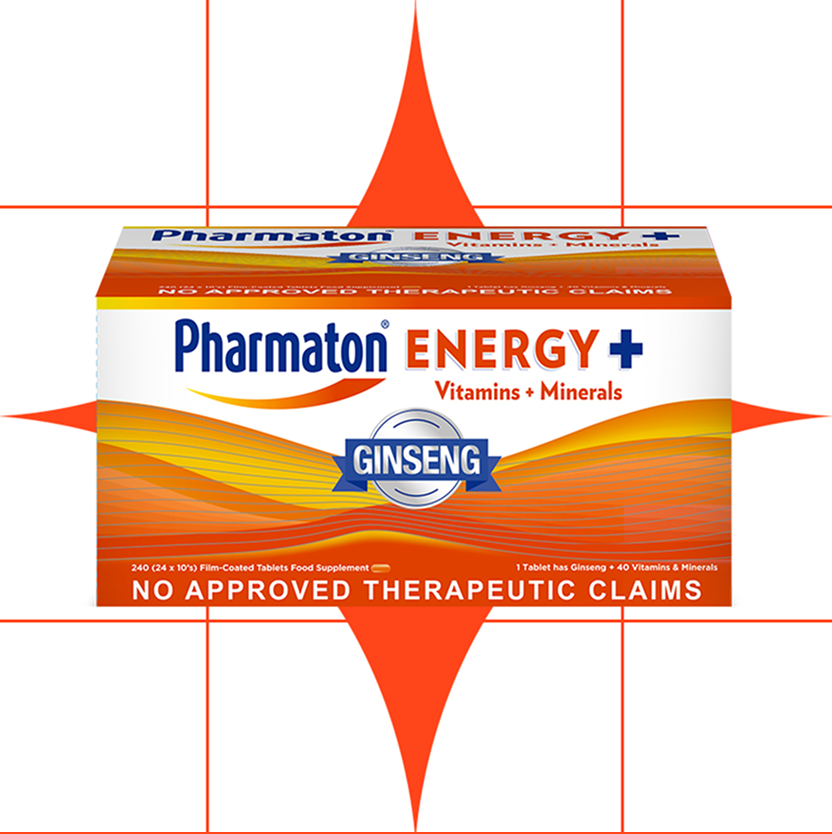
Pharmaton Energy+
- Physical energy
- Mental energy
Pharmaton Energy+ has a combine formulation of GINSENG, 40 Multivitamins and Minerals such as B Vitamins and Magnesium, that are important for the production of energy and for normal energy-yielding metabolism, and Vitamin C, D, and Zinc that contribute to the normal function of the immune system.
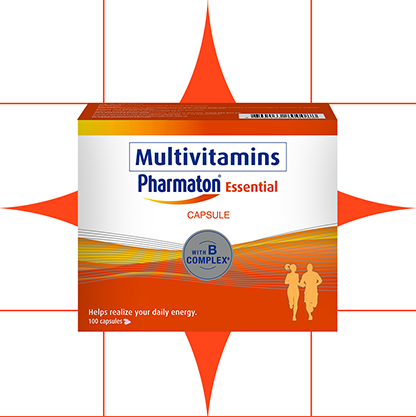
Pharmaton Essential
- Physical energy
- Mental energy
Pharmaton Essential's active ingredient is B Vitamins. Pharmaton Essential has higher levels of B Vitamins for ENERGY and MENTAL FOCUS and Vitamin C for strong immunity.
Discover the secrets to radiant health







References
- Chaput, J.-P., Dutil, C., & Sampasa-Kanyinga, H. (2018). Sleeping hours: What is the ideal number and how does age impact this? Nature and Science of Sleep, 10, 421–430. https://doi.org/10.2147/NSS.S163071
- Gibson, S. A., & Gunn, P. (2011). What's for breakfast? Nutritional implications of breakfast habits. Nutrition Bulletin, 36(1), 78–86. https://doi.org/10.1111/j.1467-3010.2010.01873.x
- Pross, N. (2017). Effects of dehydration on brain functioning: A life-span perspective. Annals of Nutrition and Metabolism, 70(Suppl. 1), 30–36. https://doi.org/10.1159/000463060
- Puetz, T. W., O'Connor, P. J., & Dishman, R. K. (2006). Effects of chronic exercise on feelings of energy and fatigue: A quantitative synthesis. Psychological Bulletin, 132(6), 866–876. https://doi.org/10.1037/0033-2909.132.6.866
- Monk, T. H. (2005). The post-lunch dip in performance. Clinics in Sports Medicine, 24(2), e15–e23. https://doi.org/10.1016/j.csm.2004.12.002
- McEwen, B. S. (2006). Sleep deprivation as a neurobiologic and physiologic stressor: Allostasis and allostatic load. Metabolism, 55(Suppl. 2), S20–S23. https://doi.org/10.1016/j.metabol.2006.07.008
MAT-PH-2601220 / Ver 1.0 / DA 09-2026 / DM 09-2026
Opella Healthcare Philippines Inc.